
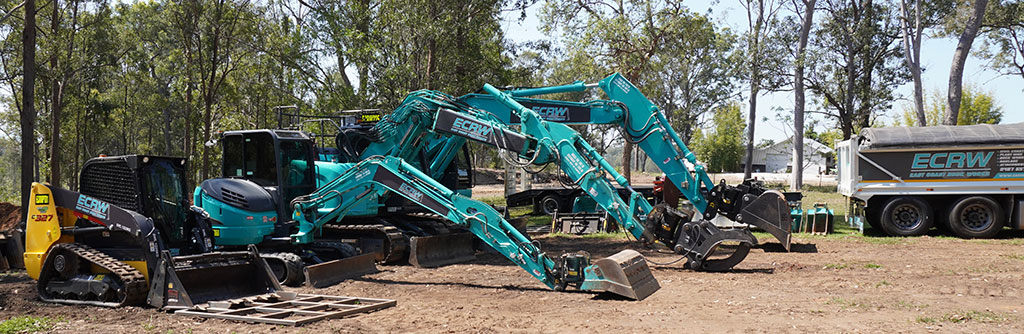
A retaining wall is capable of regulating changes at ground levels, demarcation of garden spaces and landscaping work enhancements. Nevertheless, building of a retaining wall should not be undertaken as just laying materials on a slope. Excavation and preparation of the site should be properly conducted to establish favorable conditions in which the wall will be able to work successfully in the long term. To the homeowners who intend to hire Backyard Excavation Brisbane, there are few points which need to be put into consideration before the excavation is carried out.
Assess the Existing Backyard
The backyard ought to be examined prior to any excavation. The excavation process can be altered due to the slope, soil conditions, existing landscaping, fences, trees, pathways, and the surrounding structures.
Knowledge of the current situation of the site aids in deciding where excavation is necessary and how much material might require excavation. It may also be used to determine the possible access issues especially in backyards where passage along the side of large machinery is limited.
Identify Underground Services
Prior to excavation, underground services must be can be determined beforehand. Services such as water pipes, electrical cables, drainage lines, telecommunications infrastructure, and other infrastructures could be placed below the proposed retaining wall or else where.
It can be useful to locate these services beforehand in order to minimize the risk of accidental damage during excavation. Where the location of service is dubious, due investigation must be conducted prior to excavating.
Calculate the Excavation needed
The retaining wall design, height, ground condition, drainage and foundation system determine the depth and width of the excavation. Excavating too little ground can cause the wall to not begin installed properly, and excessive excavation can add to the expenses and will disturb more of the back yard than it needs to.
A professional contractor would be able to examine the proposed wall and formulate the excavation requirements with reference to the project requirements.
Plan Equipment Access
Access may be a problem with excavation equipment in backyards. Small gateways, fencing, landscaping, steps and adjoining buildings can impair the access of larger tools to the work area.
Small excavation machines can be applicable within some limited areas. Some other forms of excavations could be necessary in some especially challenging regions. Timely access planning before construction commences could be successful in minimizing delays and unwarranted inconvenience to the premises.
Take into account Soil and Ground Conditions
The soil properties may affect the stability of the excavation and construction of retaining walls. The type of soil and ground conditions at any particular site can differ, this means that the excavation method is to be selected to suit the site.
Wet or loose soil or unstable soil can necessitate more precautions during the excavation. Monitoring of the surrounding ground should also be done during the work to help safeguard the adjacent structures and feature in a property.
Install Drainage at the Design
A retaining wall has drainage as an important factor to consider. The presence of water pressure behind a wall may cause problems with the structure, in case drainage has not been taken care of.
Excavation presents a chance to ready the needed space towards drainage materials and systems. The designs of the retaining walls should incorporate measures in handling water and ensuring that it is channelled appropriately so that it does not fall in places that are likely to harm people.
Protect Existing Landscaping
There are cases of trees, garden beds, irrigation systems, paving, fences and others that the homeowners should identify to ensure that they do not change them. Defining the area of excavation is clearly beneficial in minimizing disturbance.
It might be necessary to temporarily remove some landscaping and restore it once construction is finished. Speaking with the contractor about such specifics in advance might be useful to safeguard the valuable features and create realistic expectations.
Ready to remove Spoils
An excavation of a retaining wall will lead to a large volume of unused soil. Prior to the commencement of work, home owners need to decide on the manner in which excavated material will be treated.
Soil can be reused locally in the property or on the site or it can be stored temporarily or brought off the site depending on the project. Some kind of spoil management plan would assist in maintaining order in the backyard during the construction.
Collaborate With Qualified Workers
The preparation of the Backyard Excavation Brisbane is more than just excavating soil. There must be considerations of access and underground services, soil conditions, drainage, landscaping, equipment, and spoil management.
Creating favorable conditions in the construction of retaining walls with careful preparation of the site and cooperation with more competent excavation workers, Brisbane homeowners have an opportunity to guarantee the adequate course development and contribute to the creation of the project in an orderly and effective way.